
Brake Wear Chart
Brake Wear Chart - Web brake pads wear unevenly for several reasons: Understanding how your brakes work will help illustrate why uneven brake pad wear is a common problem, and an important one to fix. Rotor damage that puts uneven pressure on the pads. Web the brake pads may wear unevenly because of a stuck slide pin or stuck brake pads in the mounting bracket. Web learn about different types of brake pad wear and their causes in this comprehensive guide. Most modern brake pads have little metal tabs set to contact. Web learn how to understand and interpret brake pad wear charts, identify different wear patterns, and determine when to replace your brake pads. Web explore the importance of measuring brake pad thickness in millimeters and identifying signs of worn brake pads for safer braking. Web some pads require a visual inspection, some incorporate audible wear indicators (that squeal as the brakes wear low), and others contain sensors that trigger a warning light. A brake line that won’t. Find solutions for each wear pattern. Web inboard brake pad wear is the most common brake pad wear pattern. Seized guide pins that do not allow the pads to retract. Web you might need a flashlight to get a good look at the brake pad. Web the brake pads may wear unevenly because of a stuck slide pin or stuck brake pads in the mounting bracket. Rotor damage that puts uneven pressure on the pads. Web brake wear indicators (also known as squealers) are elements of your brake pads designed to squeak once the layers of your brake pads are worn out. Web learn how to understand and interpret brake pad wear charts, identify different wear patterns, and determine when to replace your brake pads. If the pads look thin, less than 1/4, it might be time to get them replaced. Understanding how your brakes work will help illustrate why uneven brake pad wear is a common problem, and an important one to fix. Web before replacing a caliper use the wear guide charts below to help diagnose pad wear. On some brake pads, you might see a. A brake line that won’t. Web the brake pads may wear unevenly because of a stuck slide pin or stuck brake pads in the mounting bracket. If the pads look thin, less than 1/4, it might. Several things can affect the proper wear pattern of the brake pads. It could also be due to bad brake pad quality, or a. Web you might need a flashlight to get a good look at the brake pad. Rotor damage that puts uneven pressure on the pads. Web before replacing a caliper use the wear guide charts below to. Most modern brake pads have little metal tabs set to contact. Web there are several factors can influence the rate at which your brake pads wear out, ultimately determining how often they need to be replaced. Web understanding your brake pad wear patters is important to diagnosing the general condition of your brake system. Web explore the importance of measuring. Web learn how to understand and interpret brake pad wear charts, identify different wear patterns, and determine when to replace your brake pads. Seized guide pins that do not allow the pads to retract. Web inboard brake pad wear is the most common brake pad wear pattern. If the pads look thin, less than 1/4, it might be time to. Caliper slides or mounting pins not. A brake line that won’t. Web brake pads are designed to wear evenly when all parts of the braking system are working correctly. Web you might need a flashlight to get a good look at the brake pad. Web there are several factors can influence the rate at which your brake pads wear out,. Several things can affect the proper wear pattern of the brake pads. Web some pads require a visual inspection, some incorporate audible wear indicators (that squeal as the brakes wear low), and others contain sensors that trigger a warning light. Rotor damage that puts uneven pressure on the pads. Yes, you read that right. Most modern brake pads have little. Web brake pads wear unevenly for several reasons: Web inboard brake pad wear is the most common brake pad wear pattern. A brake line that won’t. Seized guide pins that do not allow the pads to retract. Web brake pads are designed to wear evenly when all parts of the braking system are working correctly. Web brake wear indicators (also known as squealers) are elements of your brake pads designed to squeak once the layers of your brake pads are worn out. Web when you have to brake hard, if there is a deep whooshing or groaning sound, that’s a sign your pads are getting low. Web there are several factors can influence the rate. Rotor damage that puts uneven pressure on the pads. Understanding how your brakes work will help illustrate why uneven brake pad wear is a common problem, and an important one to fix. Web before replacing a caliper use the wear guide charts below to help diagnose pad wear. Web brake wear indicators (also known as squealers) are elements of your. Web when you have to brake hard, if there is a deep whooshing or groaning sound, that’s a sign your pads are getting low. A brake line that won’t. Web the brake pads may wear unevenly because of a stuck slide pin or stuck brake pads in the mounting bracket. Web some pads require a visual inspection, some incorporate audible. Several things can affect the proper wear pattern of the brake pads. Web understanding your brake pad wear patters is important to diagnosing the general condition of your brake system. Web brake wear indicators (also known as squealers) are elements of your brake pads designed to squeak once the layers of your brake pads are worn out. Most modern brake pads have little metal tabs set to contact. Web learn how to understand and interpret brake pad wear charts, identify different wear patterns, and determine when to replace your brake pads. If the pads look thin, less than 1/4, it might be time to get them replaced. Web the brake pads may wear unevenly because of a stuck slide pin or stuck brake pads in the mounting bracket. Web you might need a flashlight to get a good look at the brake pad. Web brake pads are designed to wear evenly when all parts of the braking system are working correctly. A brake line that won’t. Web some pads require a visual inspection, some incorporate audible wear indicators (that squeal as the brakes wear low), and others contain sensors that trigger a warning light. Yes, you read that right. Web there are several factors can influence the rate at which your brake pads wear out, ultimately determining how often they need to be replaced. Web before replacing a caliper use the wear guide charts below to help diagnose pad wear. It could also be due to bad brake pad quality, or a. Find solutions for each wear pattern.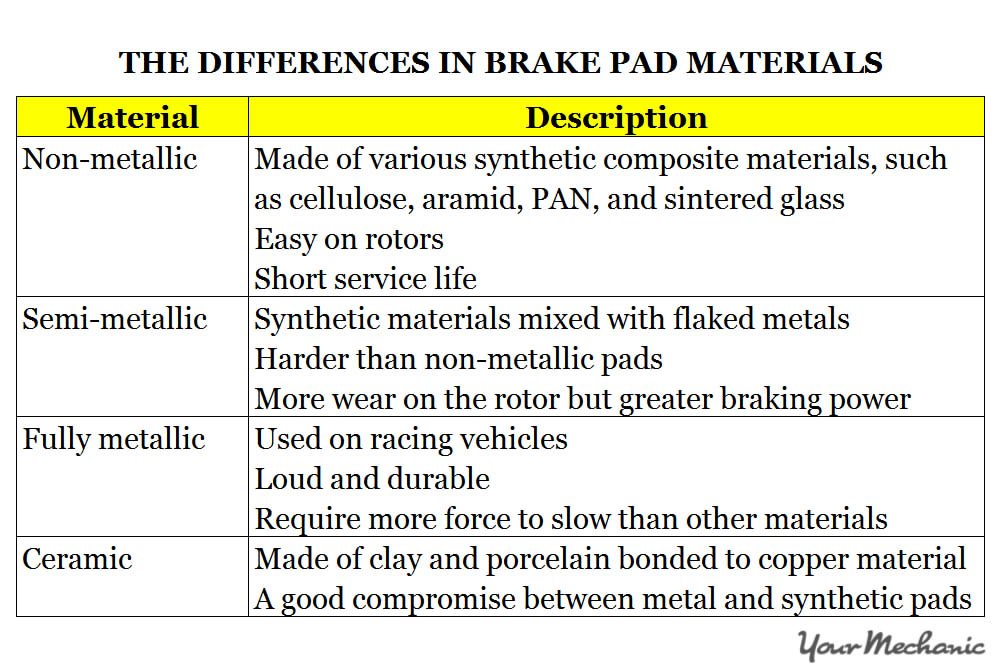
How to Recognize Brake Pad Wear Patterns YourMechanic Advice
5713186 Rome Brake Shoe Wall Chart 818 Brake Mechanical Engineering

Brake Pads Thickness Chart
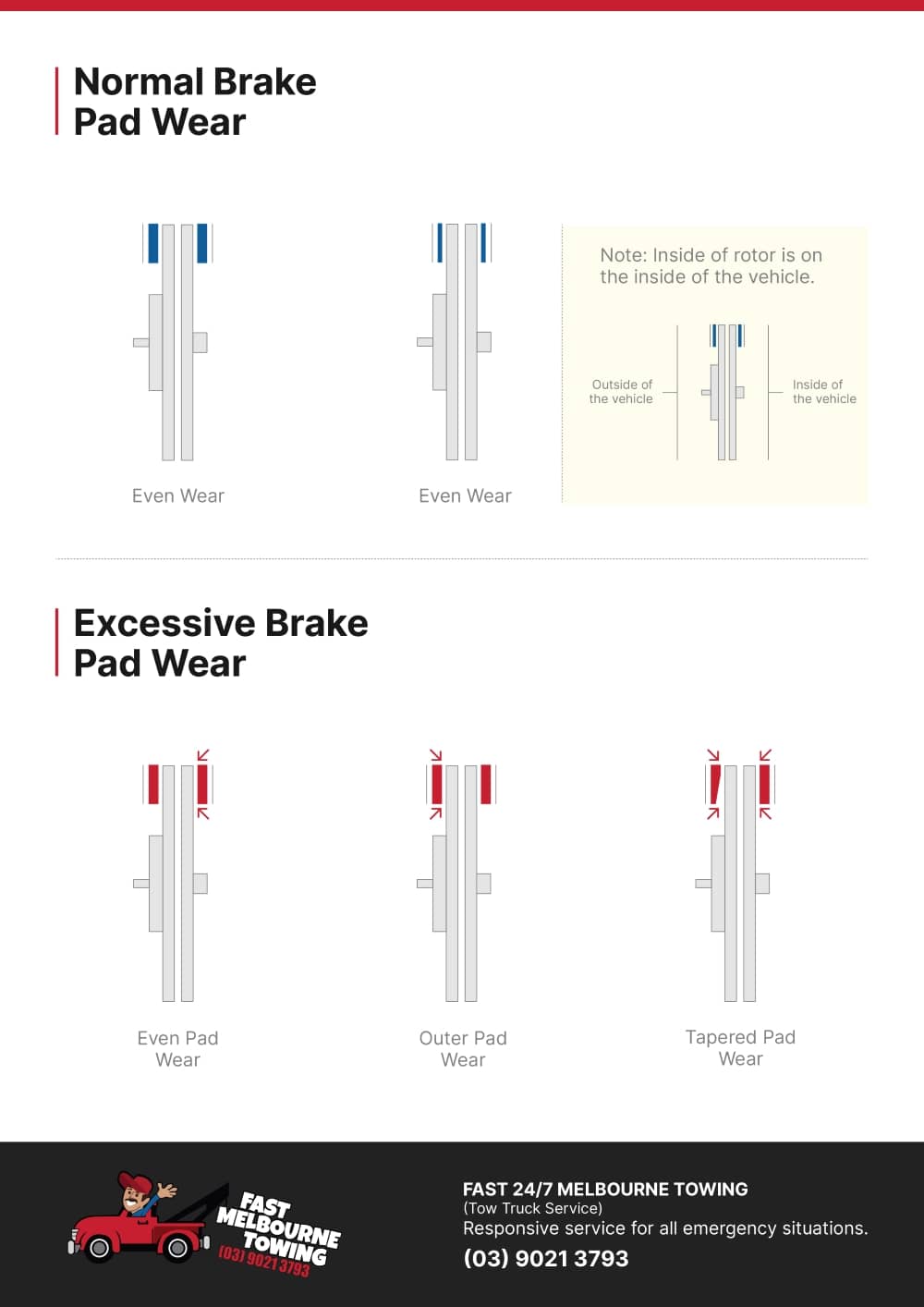
How to Check Brake Pads and Tips on Replacing Them

Repair Guides Brake Specifications Chart Brake Specifications

Brake Shoe Size Chart

(PDF) Brake Shoe Identification CBS Parts Brake Shoe ID Chart
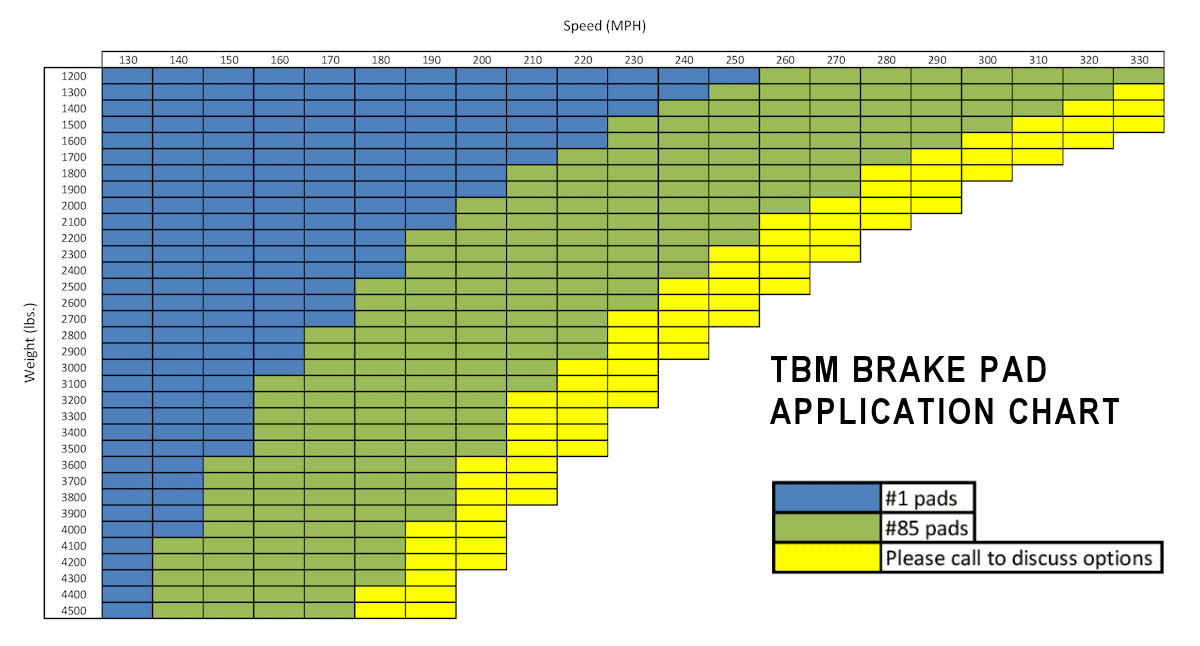
TBM Brake Pad Application Chart Vincent Performance
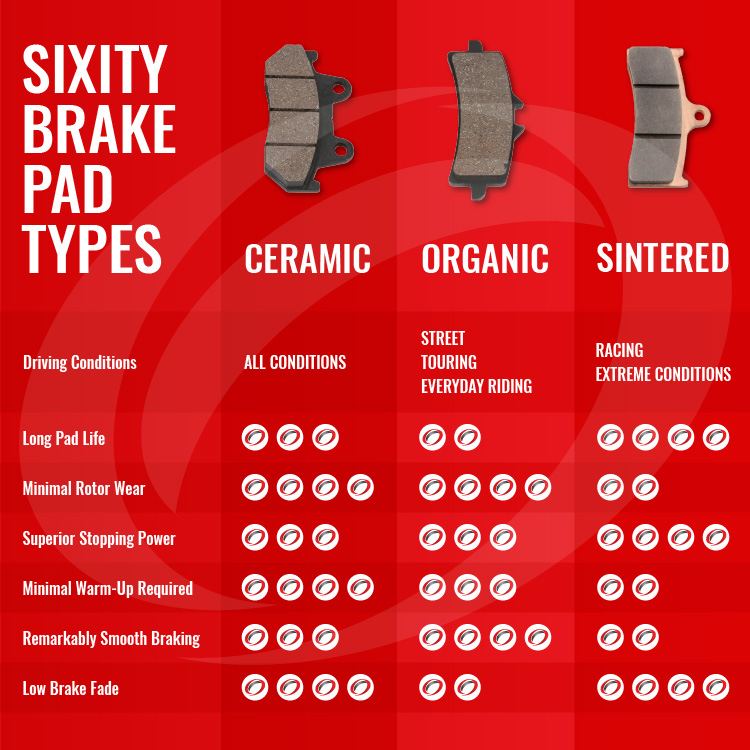
Sixity Brake Pad Selection Guide
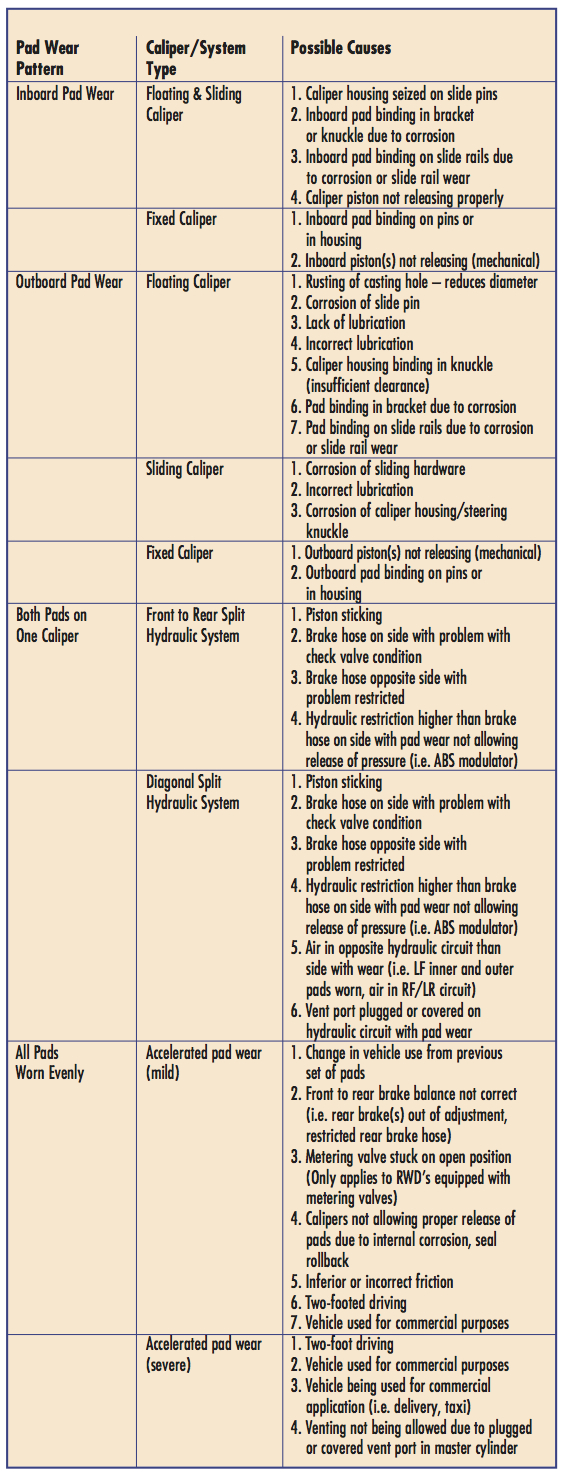
Brake Diagnosis Chart A Visual Reference of Charts Chart Master
Web Explore The Importance Of Measuring Brake Pad Thickness In Millimeters And Identifying Signs Of Worn Brake Pads For Safer Braking.
Web Learn About Different Types Of Brake Pad Wear And Their Causes In This Comprehensive Guide.
Web When You Have To Brake Hard, If There Is A Deep Whooshing Or Groaning Sound, That’s A Sign Your Pads Are Getting Low.
Caliper Slides Or Mounting Pins Not.
Related Post:
