
German Cases Chart
German Cases Chart - Web hungarian has 18. Articles in the nominative case. Which case ending do i need? The german and french leaders agreed that a “strategic agenda”. We will explain what german. Most german sentences include at least one case, but it’s rare that you’ll see all four. The four german cases are as follows: Nominative, accusative, dative and genitive. Web german has four cases: Charts show the noun cases. Der, die, das according to case and gender. What are the german cases? Web the 4 german cases are: How to use my german cases chart. Web what even is “case”? For each german case (kasus) you can find a detailed explanation, including declension,. How to apply the german cases with my podcast. Web german article charts. It's easier to choose the correct case when you're familiar with the changes of the definite (der, die, das) and indefinite articles (ein, eine,. Web if you need to know the case that a noun has already been put into (so that you can replace the noun with the correct pronoun), then you can ‘work backward’ by. How to use my german cases chart. Web hungarian has 18. This post will give you the answers and set you up to start. This chart and 2 simple rules help you choose the right adjective ending. We will explain what german. How do i remember them? Web how case works in english and in german; Master the nominative, accusative, dative, and genitive cases in german. Nominative, accusative, dative and genitive. Although it's a foreign concept in english, german cases play an important role in identifying which noun is. Web here, we will briefly introduce the german cases: Web the 4 german cases are: Since german is a language that has cases, these articles change according to the. Which case ending do i need? Articles in the nominative case. Der, die, das according to case and gender. For each german case (kasus) you can find a detailed explanation, including declension,. Web an overview details the four german noun cases, as well as declensions of definite and indefinite articles and pronouns. Most german sentences include at least one case, but it’s rare that you’ll see all four. Nominative, accusative, dative. Web so in this guide, i’ll cover the four german cases so you can get a better understanding of how they work, when to use them, and what to do when you’re not sure. What are the different cases for? Charts show the noun cases. Der, die, das according to case and gender. Nominative, accusative, dative and genitive. What are the german cases? This post will give you the answers and set you up to start. What are the different cases for? Web how to identify the direct object, indirect objection, and possession. Nominative, accusative, dative and genitive. Web the four cases are nominative, accusative, dative, and genitive. Nominative, accusative, dative and genitive. Most german sentences include at least one case, but it’s rare that you’ll see all four. These cases make us change the endings of articles, nouns, adjectives and pronouns depending on their. Web here, we will briefly introduce the german cases: How to use my german cases chart. The four german cases are as follows: The german and french leaders agreed that a “strategic agenda”. Web these german preposition charts power up your study sessions. Web we created a comprehensive guide for you that includes a german cases chart and a breakdown of nominative, accusative, genitive & dative in german. Web hungarian has 18. Web these german preposition charts power up your study sessions. The german four really aren’t the end of the world. We will explain what german. Web there are four german cases: Web how to identify the direct object, indirect objection, and possession. It's easier to choose the correct case when you're familiar with the changes of the definite (der, die, das) and indefinite articles (ein, eine,. Web what even is “case”? What are the different cases for? Articles in the nominative case. The german and french leaders agreed that a “strategic agenda”. Since german is a language that has cases, these articles change according to the. Web we created a comprehensive guide for you that includes a german cases chart and a breakdown of nominative, accusative, genitive & dative in german. Charts show the noun cases. The four german cases are as follows: These cases make us change the endings of articles, nouns, adjectives and pronouns depending on their. How do i remember them? Web what even is “case”? But what do they mean, and how should you know which one to use when? This chart and 2 simple rules help you choose the right adjective ending. Master the nominative, accusative, dative, and genitive cases in german. Web here, we will briefly introduce the german cases: Web if you need to know the case that a noun has already been put into (so that you can replace the noun with the correct pronoun), then you can ‘work backward’ by. Most german sentences include at least one case, but it’s rare that you’ll see all four. Articles in the nominative case. We will explain what german.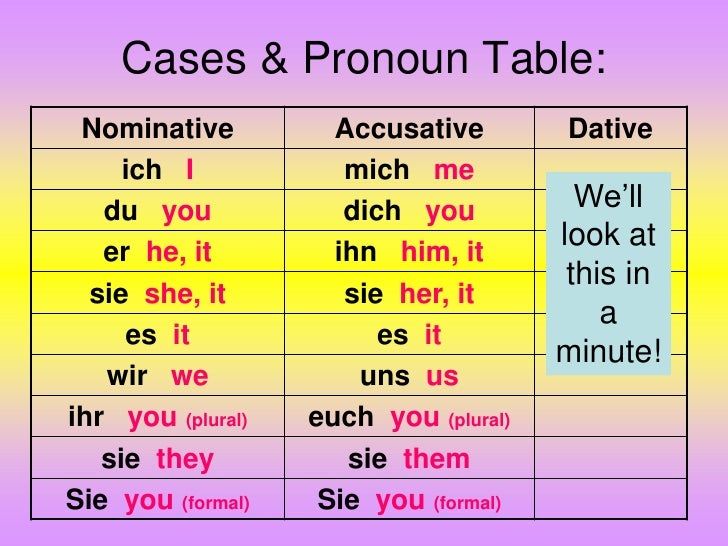
German Cases linguaworld
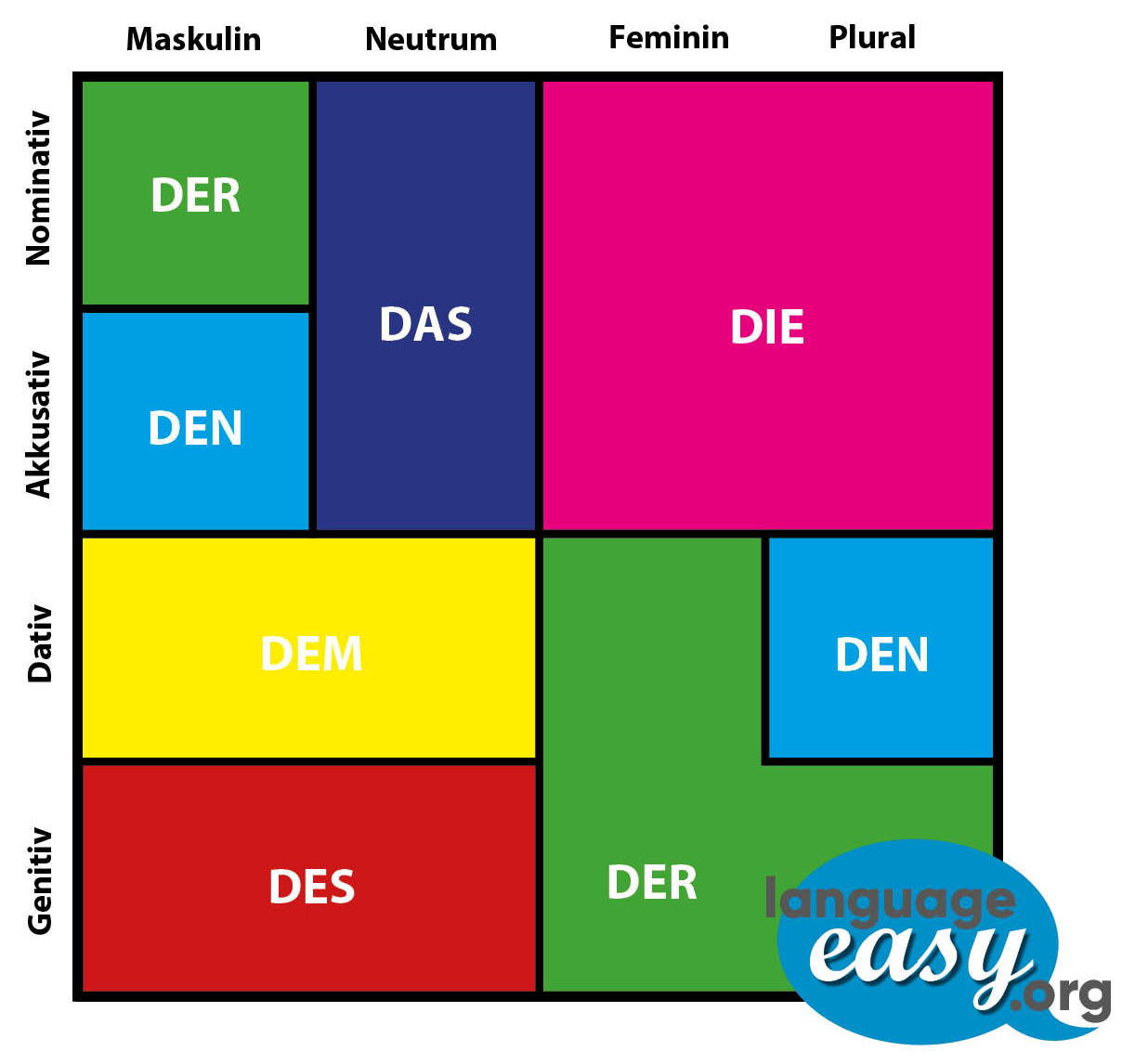
German Cases Learn German Cases easily with

German cases and adjective endings chart The German Professor
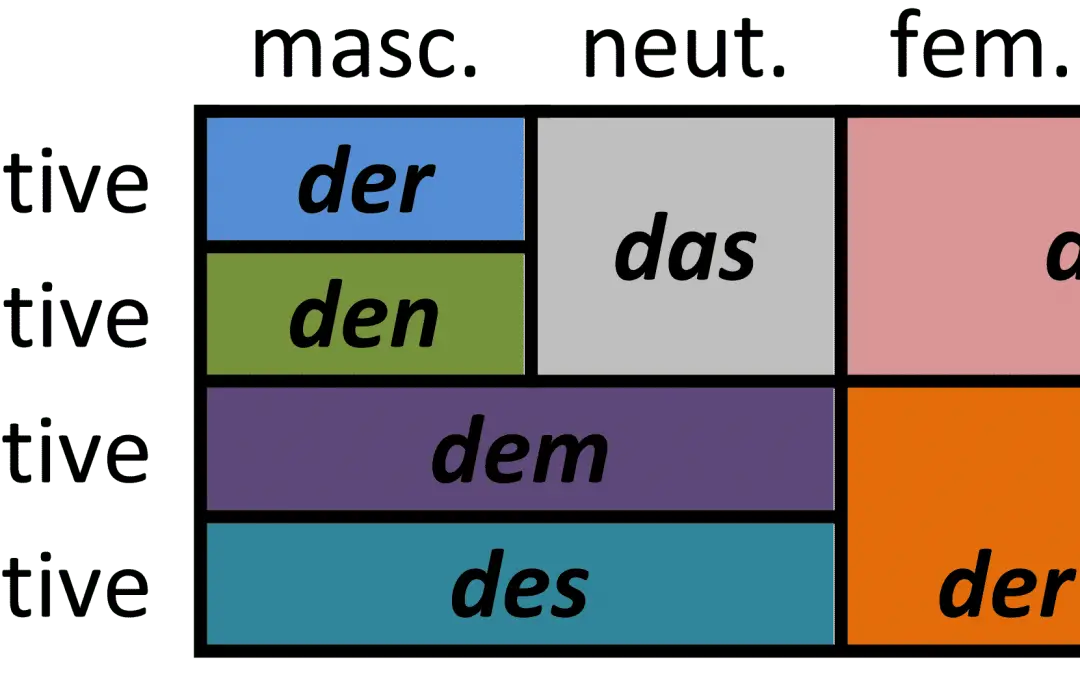
Grammar Cases Table German
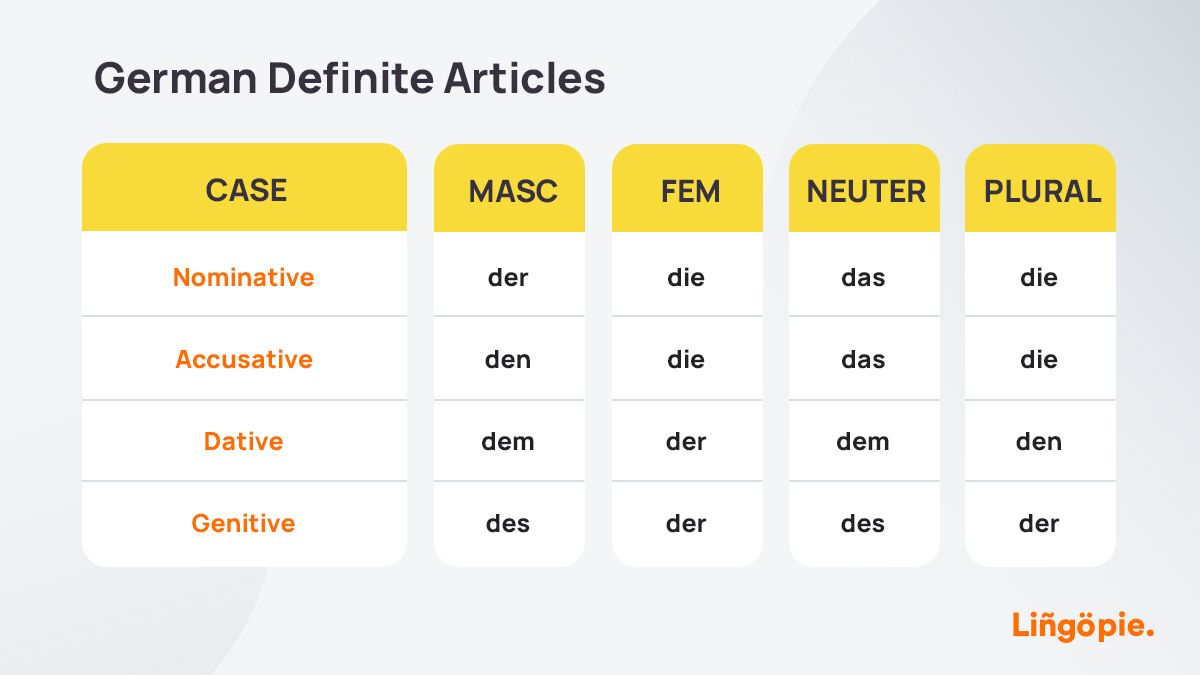
German Cases Explained The Simplest Guide To German Case System

The four cases are in order from how often they occur in a sentence

German Personal Pronouns Chart

Confused about der, die, das? An explanation of the German cases
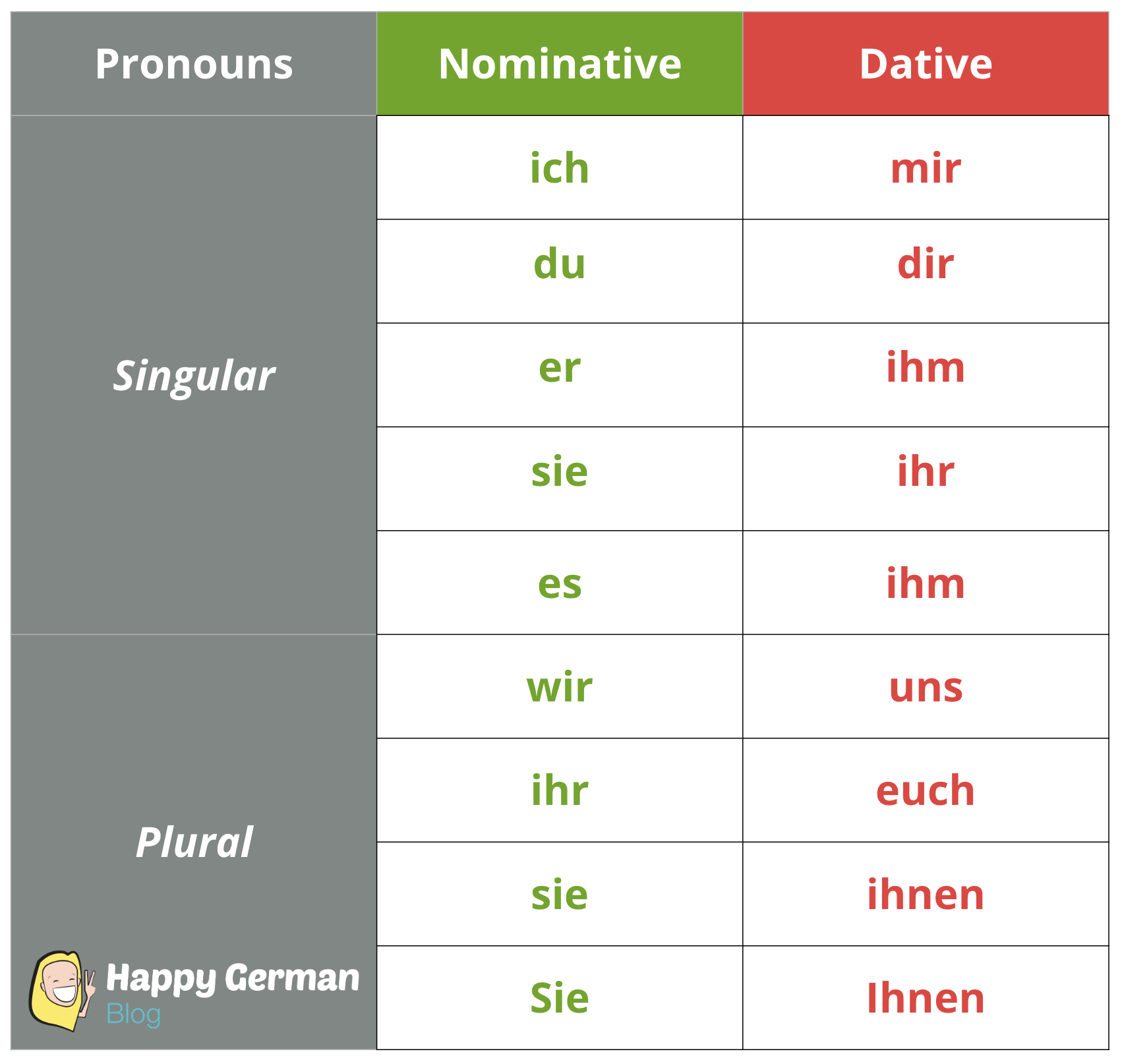
The German Dative Case Your Ultimate Guide Happy German

German Grammar Chart
Which Case Ending Do I Need?
Web German Has Four Cases That Include The Nominative, Accusative, Dative, And Genitive.
Web German Definite Articles Table:
Web German Has Four Cases:
Related Post: