
Hfnc Fio2 Chart
Hfnc Fio2 Chart - It also utilizes heated tubing combined with humidification connected. We investigated the optimal flow settings during hfnc therapy based on. High flow nasal cannula therapy during normal inspiration, the pif demand is 30 to 40 l/min. Web high flow nasal cannula clinical pathway: A nonrebreather can provide a 10 to 15 l/min flow rate; Web heat and humidified high flow nasal cannula or as most call it, hi flow nasal cannula (hfnc), isn’t just a standard nasal cannula cranked up to very high flow. Flow rates above ventilatory demand of the patient needed to prevent reservoir from deflating, typically. The oxygen blender allows precise control over the fraction of inspired oxygen (fio2), enabling tailored therapy for patients. Web this equates to a fio2 of approximately 0.37 to 0.45. Fio2 varies from 60 to. Web a protocol for the titration of high flow nasal cannula (hfnc) in patients with acute hypoxemic respiratory failure due to covid pneumonia and ards. Web heat and humidified high flow nasal cannula or as most call it, hi flow nasal cannula (hfnc), isn’t just a standard nasal cannula cranked up to very high flow. Web new guideline addressing the role of high flow nasal cannula oxygen delivery as an alternative mode of respiratory support in different clinical conditions. It is a critical component of. Web high flow nasal cannula (hfnc) blends oxygen and air to deliver a constant fio2 to a patient. We investigated the optimal flow settings during hfnc therapy based on. Web hfnc can generate fio2 1.0 and peep of up to 7.4 cmh20 at 60 l/min, but this is reduced at lower flow rates and if the nasal cannulae do not have a snug fit in the. It also utilizes heated tubing combined with humidification connected. Web high flow nasal cannula clinical pathway: Above this number, nasal mucosal irritation occurs with the drying of the passages, and there is, therefore,. A nonrebreather can provide a 10 to 15 l/min flow rate; Fio2 varies from 60 to. Web medical facilities have the capability of increasing your fio2 to virtually 100 percent, while home units, like oxygen concentrators, deliver from 24 to 60 percent. Web hfnc can generate fio2 1.0 and peep of up to 7.4 cmh20 at 60 l/min, but this. A nonrebreather can provide a 10 to 15 l/min flow rate; Above this number, nasal mucosal irritation occurs with the drying of the passages, and there is, therefore,. Fio2 varies from 60 to. Web the green valve allows the maximum 12 to 15 l/min flow rate with 60% fio2. With high flow nasal cannula therapy, the administered fio2 would. It also utilizes heated tubing combined with humidification connected. Web this equates to a fio2 of approximately 0.37 to 0.45. Web new guideline addressing the role of high flow nasal cannula oxygen delivery as an alternative mode of respiratory support in different clinical conditions. Web the green valve allows the maximum 12 to 15 l/min flow rate with 60% fio2.. Web high flow nasal cannula (hfnc) blends oxygen and air to deliver a constant fio2 to a patient. Web heat and humidified high flow nasal cannula or as most call it, hi flow nasal cannula (hfnc), isn’t just a standard nasal cannula cranked up to very high flow. It also utilizes heated tubing combined with humidification connected. Web hfnc can. High flow nasal cannula therapy during normal inspiration, the pif demand is 30 to 40 l/min. Systems use specialized nasal cannulas. Web medical facilities have the capability of increasing your fio2 to virtually 100 percent, while home units, like oxygen concentrators, deliver from 24 to 60 percent. With high flow nasal cannula therapy, the administered fio2 would. It is a. It also utilizes heated tubing combined with humidification connected. Web new guideline addressing the role of high flow nasal cannula oxygen delivery as an alternative mode of respiratory support in different clinical conditions. We investigated the optimal flow settings during hfnc therapy based on. Web heat and humidified high flow nasal cannula or as most call it, hi flow nasal. We investigated the optimal flow settings during hfnc therapy based on. Web high flow nasal cannula clinical pathway: Systems use specialized nasal cannulas. High flow nasal cannula therapy during normal inspiration, the pif demand is 30 to 40 l/min. All require heated humidification and a specialized. Web the green valve allows the maximum 12 to 15 l/min flow rate with 60% fio2. Web high flow nasal cannula (hfnc) blends oxygen and air to deliver a constant fio2 to a patient. Web medical facilities have the capability of increasing your fio2 to virtually 100 percent, while home units, like oxygen concentrators, deliver from 24 to 60 percent.. Web medical facilities have the capability of increasing your fio2 to virtually 100 percent, while home units, like oxygen concentrators, deliver from 24 to 60 percent. All require heated humidification and a specialized. Web high flow nasal cannula (hfnc) blends oxygen and air to deliver a constant fio2 to a patient. It also utilizes heated tubing combined with humidification connected.. With high flow nasal cannula therapy, the administered fio2 would. Web this equates to a fio2 of approximately 0.37 to 0.45. Web high flow nasal cannula clinical pathway: It also utilizes heated tubing combined with humidification connected. Flow rates above ventilatory demand of the patient needed to prevent reservoir from deflating, typically. The oxygen blender allows precise control over the fraction of inspired oxygen (fio2), enabling tailored therapy for patients. Web heat and humidified high flow nasal cannula or as most call it, hi flow nasal cannula (hfnc), isn’t just a standard nasal cannula cranked up to very high flow. It is a critical component of. Web new guideline addressing the role of high flow nasal cannula oxygen delivery as an alternative mode of respiratory support in different clinical conditions. A nonrebreather can provide a 10 to 15 l/min flow rate; Systems use specialized nasal cannulas. Web this equates to a fio2 of approximately 0.37 to 0.45. Web high flow nasal cannula clinical pathway: Fio2 varies from 60 to. Web high flow nasal cannula (hfnc) blends oxygen and air to deliver a constant fio2 to a patient. High flow nasal cannula therapy during normal inspiration, the pif demand is 30 to 40 l/min. Above this number, nasal mucosal irritation occurs with the drying of the passages, and there is, therefore,. We investigated the optimal flow settings during hfnc therapy based on. It also utilizes heated tubing combined with humidification connected. Web the green valve allows the maximum 12 to 15 l/min flow rate with 60% fio2. Web medical facilities have the capability of increasing your fio2 to virtually 100 percent, while home units, like oxygen concentrators, deliver from 24 to 60 percent.
How To Calculate Fio2 For Nasal Cannula Haiper

Nasal Cannula Fio2 / Principle setup of highflow nasal cannula oxygen

High Flow Nasal Cannula Fio2 Chart

High Flow Nasal Cannula Fio2 Chart
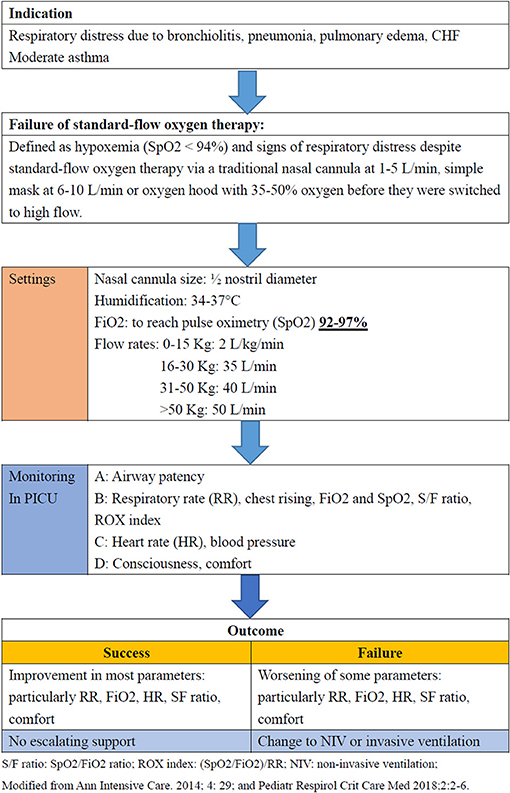
High Flow Nasal Cannula FiO2 Chart
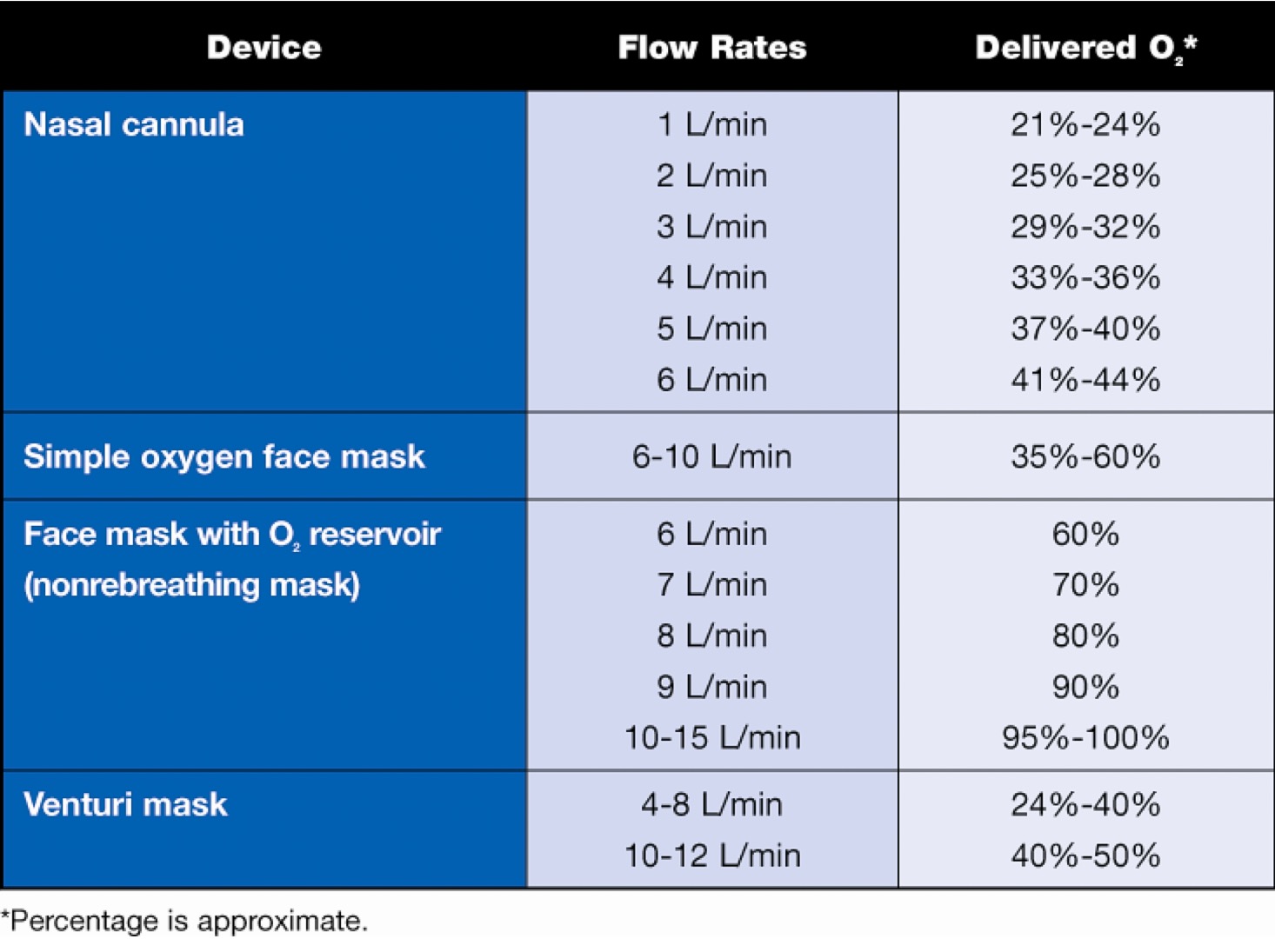
High Flow Nasal Cannula Fio2 Chart
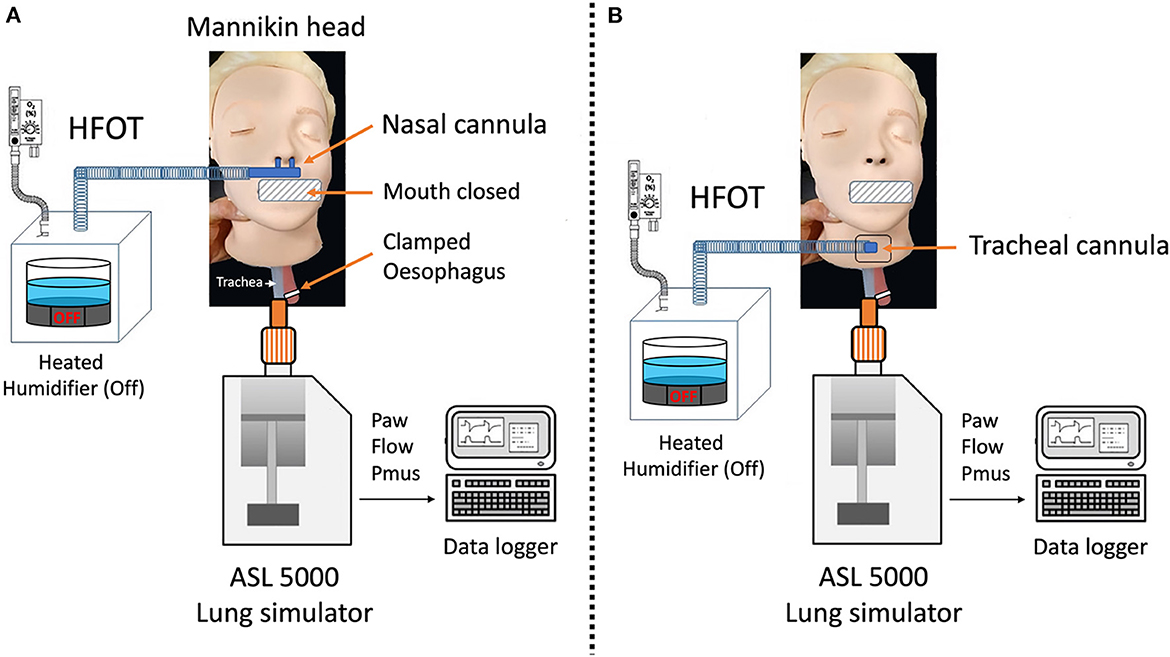
High Flow Nasal Cannula Fio2 Chart

High Flow Nasal Cannula Fio2 Chart

High Flow Nasal Cannula Fio2 Chart
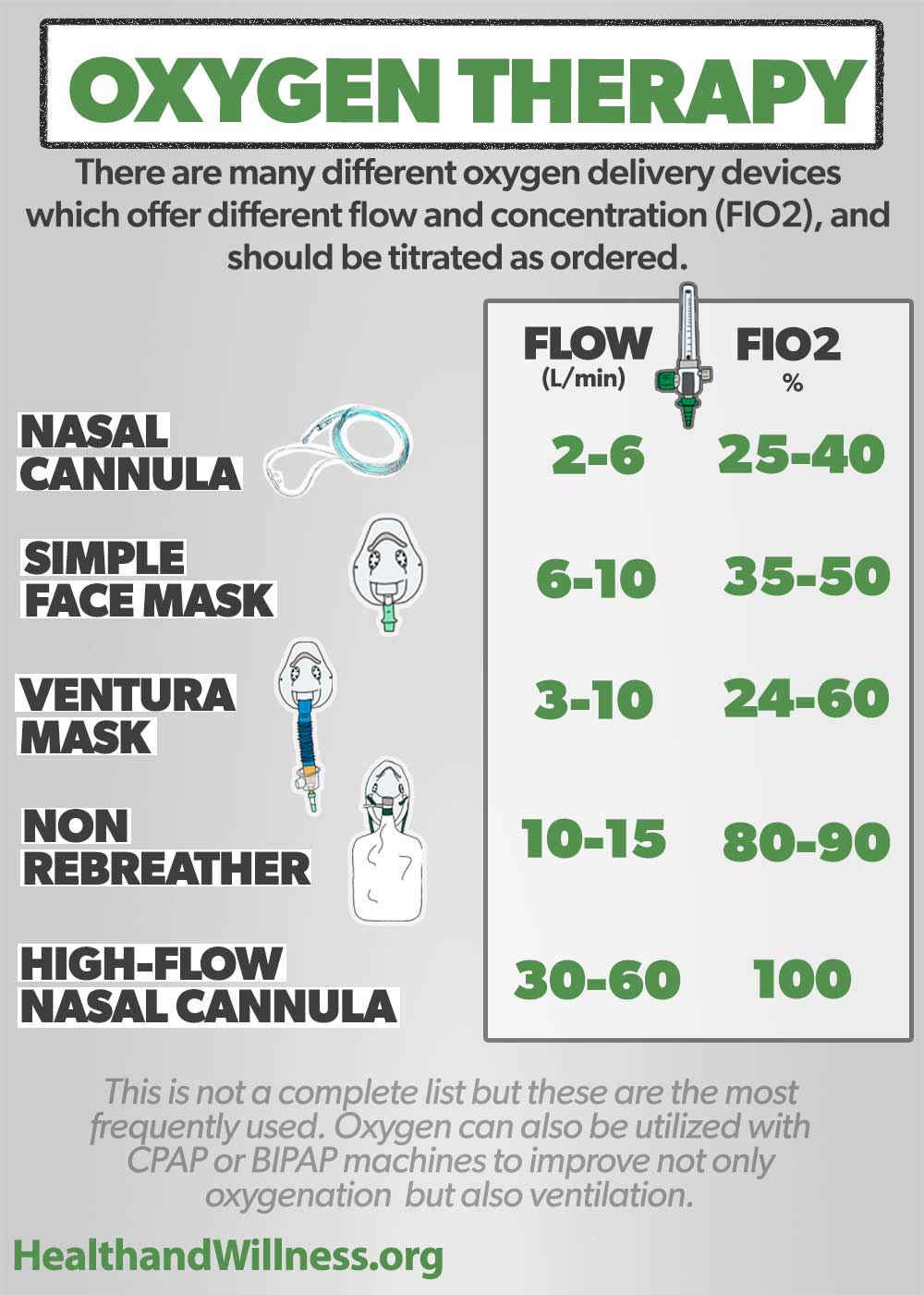
Oxygen Delivery Devices and Flow Rates Health And Willness
Web A Protocol For The Titration Of High Flow Nasal Cannula (Hfnc) In Patients With Acute Hypoxemic Respiratory Failure Due To Covid Pneumonia And Ards.
All Require Heated Humidification And A Specialized.
Flow Rates Above Ventilatory Demand Of The Patient Needed To Prevent Reservoir From Deflating, Typically.
With High Flow Nasal Cannula Therapy, The Administered Fio2 Would.
Related Post: