
Ionic Energy Chart
Ionic Energy Chart - The most common units of ionization energy are. On the periodic table, first. The table lists only the first ie in ev units. Web for each atom, the column marked 1 is the first ionization energy to ionize the neutral atom, the column marked 2 is the second ionization energy to remove a second electron. The energy required to remove an electron is the ionization energy. Web ionization is the process of removing an electron from a neutral atom (or compound). Web when electrons are removed in succession from an element, the transition from removing valence electrons to removing core electrons results in a large jump in ionization. Web chemists define the ionization energy (\(i\)) of an element as the amount of energy needed to remove an electron from the gaseous atom \(e\) in its ground state. These tables list values of molar ionization energies, measured in kj⋅mol −1. Web ionization energy is the minimum energy required to remove an electron from an atom or ion in the gas phase. Web the periodic table trend on a graph. The stronger an electron is bound to an atom the more. First ionization energy, second ionization energy as well as third ionization energy of the elements are. Web magnesium is one of the most abundant minerals in your body. The first ionization energy, second. Web the values mentioned in the above periodic table is the first ionization energy and are given in electron volts (ev). Web ionization energy chart of all the elements is given below. Web the periodic table of the elements (with ionization energies) element name. Ionization energy is always positive. Web an element's first ionization energy is the energy required to remove the outermost, or least bound, electron from a neutral atom of the element. One is that when electrons start to fill p orbital the ionization energy goes down a little. Web molar ionization energies of the elements. This is the energy per mole necessary to remove. Web ionization energy, in chemistry and physics, the amount of energy required to remove an electron from an isolated atom or molecule. Web the periodic table trend. Web ionization is the process of removing an electron from a neutral atom (or compound). The first ionization energy, second. Web the periodic table trend on a graph. As you can see on the graph, the noble gases have the highest ionization energies, and the alkali metals have the lowest ionization. Web ionization energy, in chemistry and physics, the amount. The most common units of ionization energy are. Web ionization energy is the minimum energy required to remove an electron from an atom or ion in the gas phase. Web ionization energy is a measure of the energy needed to pull a particular electron away from the attraction of the nucleus. Ionization energy is always positive. Web the values mentioned. Web chemists define the ionization energy (\(i\)) of an element as the amount of energy needed to remove an electron from the gaseous atom \(e\) in its ground state. Web molar ionization energies of the elements. Web explore how ionization energy changes with atomic number in the periodic table of elements via interactive plots. The energy required to remove an. Another is when each of 3 p orbitals have one. Web ionization energy is the quantity of energy that an isolated, gaseous atom in the ground electronic state must absorb to discharge an electron, resulting in a cation. Web for each atom, the column marked 1 is the first ionization energy to ionize the neutral atom, the column marked 2. These tables list values of molar ionization energies, measured in kj⋅mol −1. A high value of ionization energy. Web molar ionization energies of the elements. Web ionization energy is the minimum energy required to remove an electron from an atom or ion in the gas phase. Web when electrons are removed in succession from an element, the transition from removing. Web ionization energy is the energy required to remove an electron from a neutral atom in its gaseous phase. Web ionization energy is the amount of energy needed to remove an electron from a neutral gaseous atom and form an ion. This is the energy per mole necessary to remove. The stronger an electron is bound to an atom the. The table lists only the first ie in ev units. Hundreds of chemical reactions in your body involve magnesium. As you can see on the graph, the noble gases have the highest ionization energies, and the alkali metals have the lowest ionization. The most common units of ionization energy are. Web ionization is the process of removing an electron from. Web ionization energy is a measure of the energy needed to pull a particular electron away from the attraction of the nucleus. Web an element's first ionization energy is the energy required to remove the outermost, or least bound, electron from a neutral atom of the element. Web magnesium is one of the most abundant minerals in your body. The. Another is when each of 3 p orbitals have one. Web looking at the graph of ionization energies, it is clear that indium(atomic number 49) does have a lower ionization energy than cadmium (atomic number 48),. One is that when electrons start to fill p orbital the ionization energy goes down a little. Web for each atom, the column marked. Web looking at the graph of ionization energies, it is clear that indium(atomic number 49) does have a lower ionization energy than cadmium (atomic number 48),. Web there are couple of reasons for that. As you can see on the graph, the noble gases have the highest ionization energies, and the alkali metals have the lowest ionization. Web an element's first ionization energy is the energy required to remove the outermost, or least bound, electron from a neutral atom of the element. Your body needs it for muscle. The stronger an electron is bound to an atom the more. Web an element's first ionization energy is the energy required to remove the outermost, or least bound, electron from a neutral atom of the element. Web when electrons are removed in succession from an element, the transition from removing valence electrons to removing core electrons results in a large jump in ionization. Web the periodic table trend on a graph. Web ionization energy chart of all the elements is given below. On the periodic table, first. Another is when each of 3 p orbitals have one. Web ionization energy is a measure of the energy needed to pull a particular electron away from the attraction of the nucleus. Web magnesium is one of the most abundant minerals in your body. First ionization energy, second ionization energy as well as third ionization energy of the elements are. Web ionization energy is the minimum energy required to remove an electron from an atom or ion in the gas phase.Example

What Is Ionization Energy? Definition and Trend
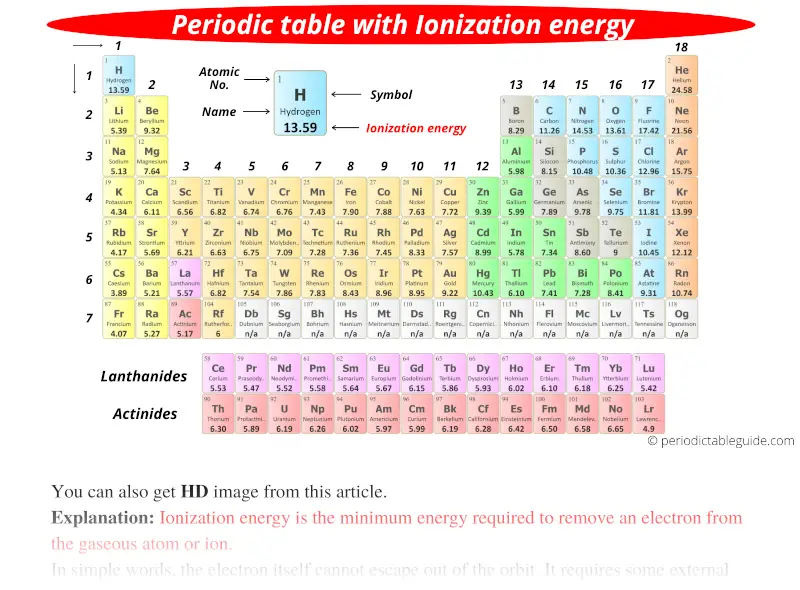
Periodic table with Ionization Energy Values (Labeled Image)
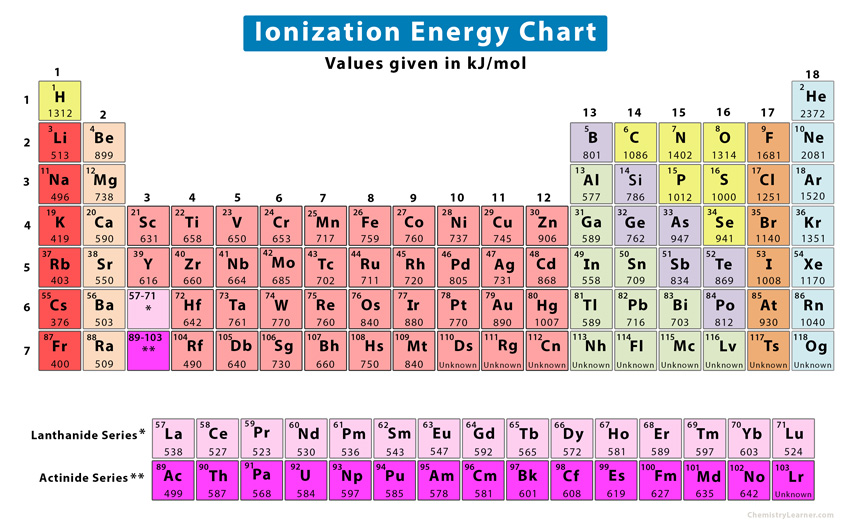
Ionization Energy Definition, Chart & Periodic Table Trend
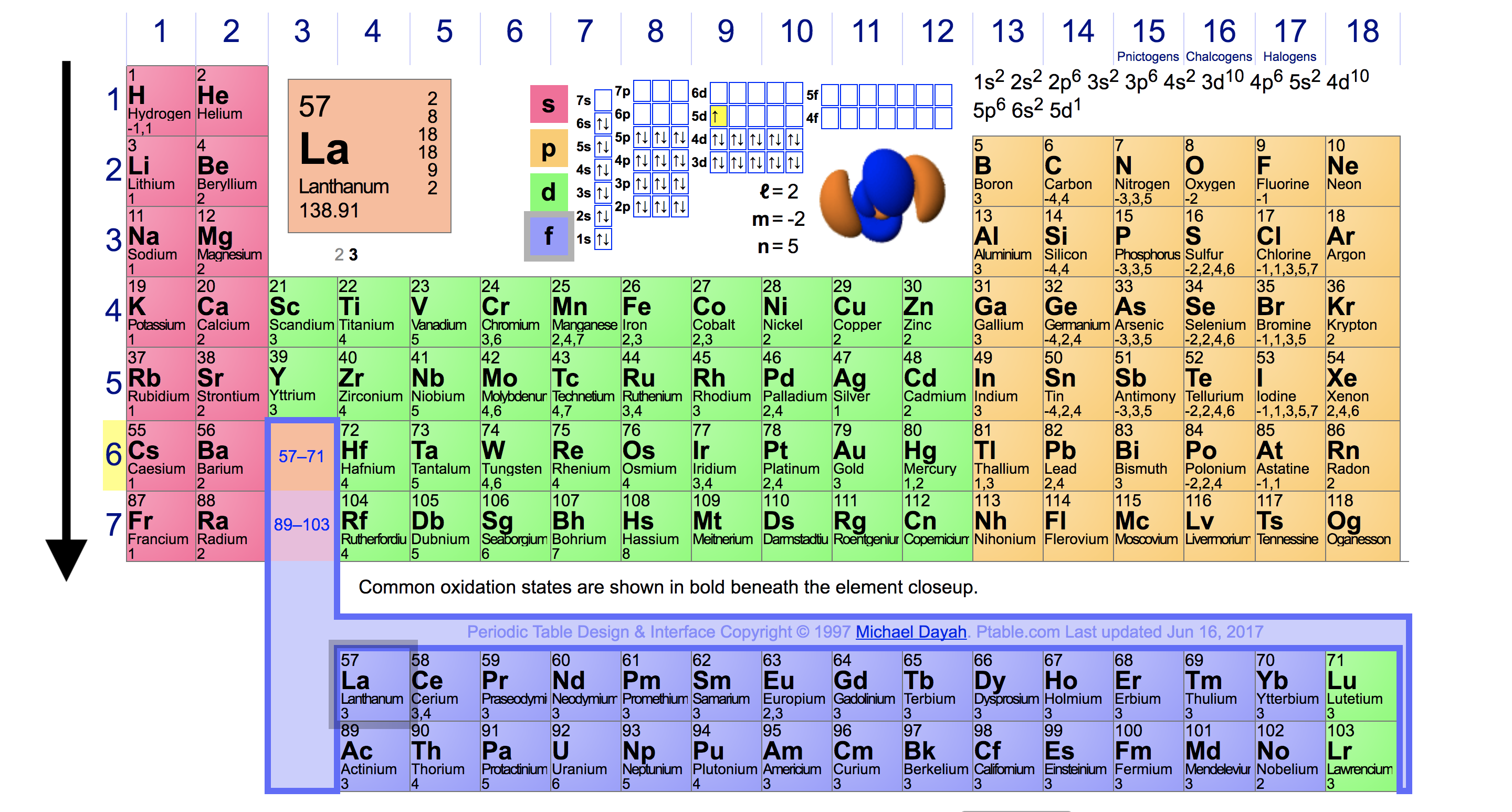
Periodic Trends in Ionization Energy Chemistry Socratic
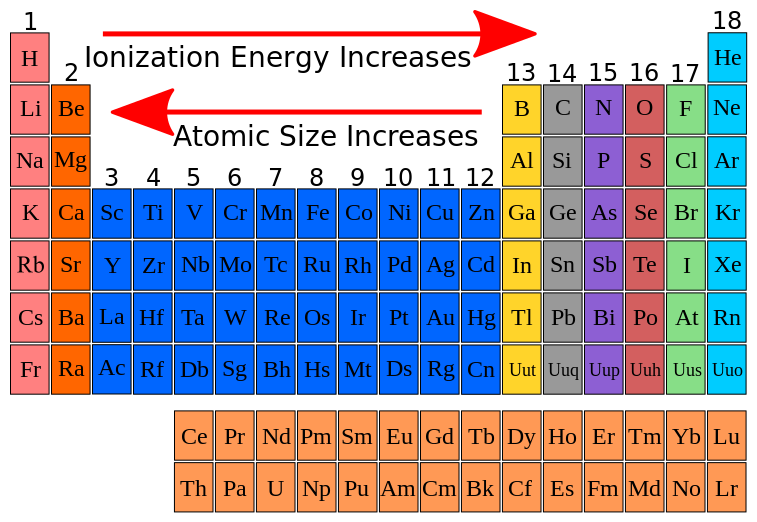
FileIonization energy atomic size.svg Wikimedia Commons
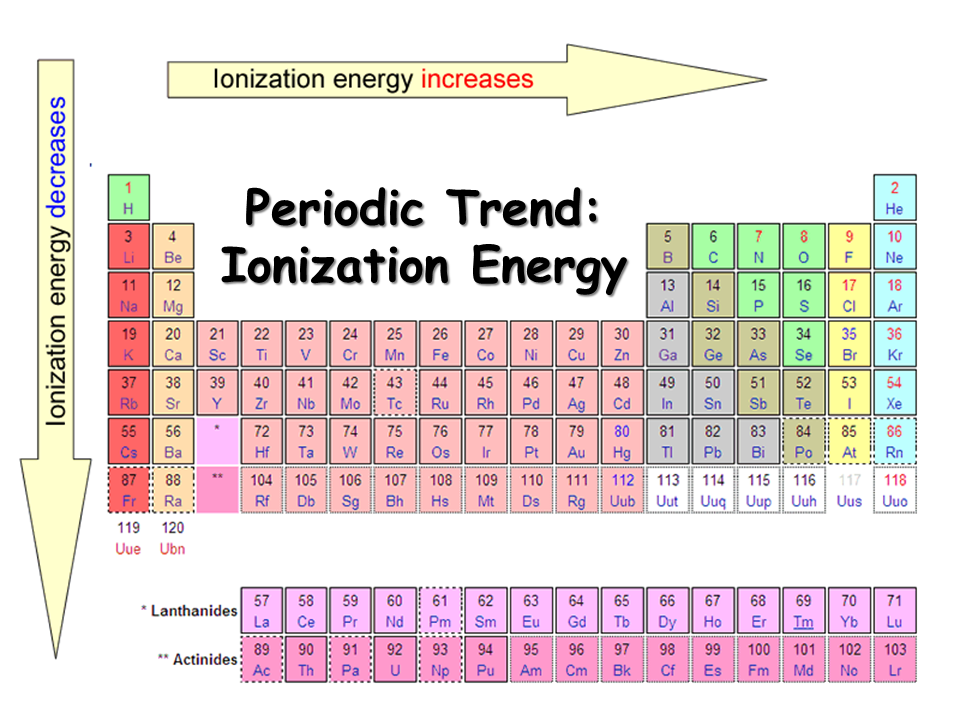
Ionization Enthalpy NEET Lab
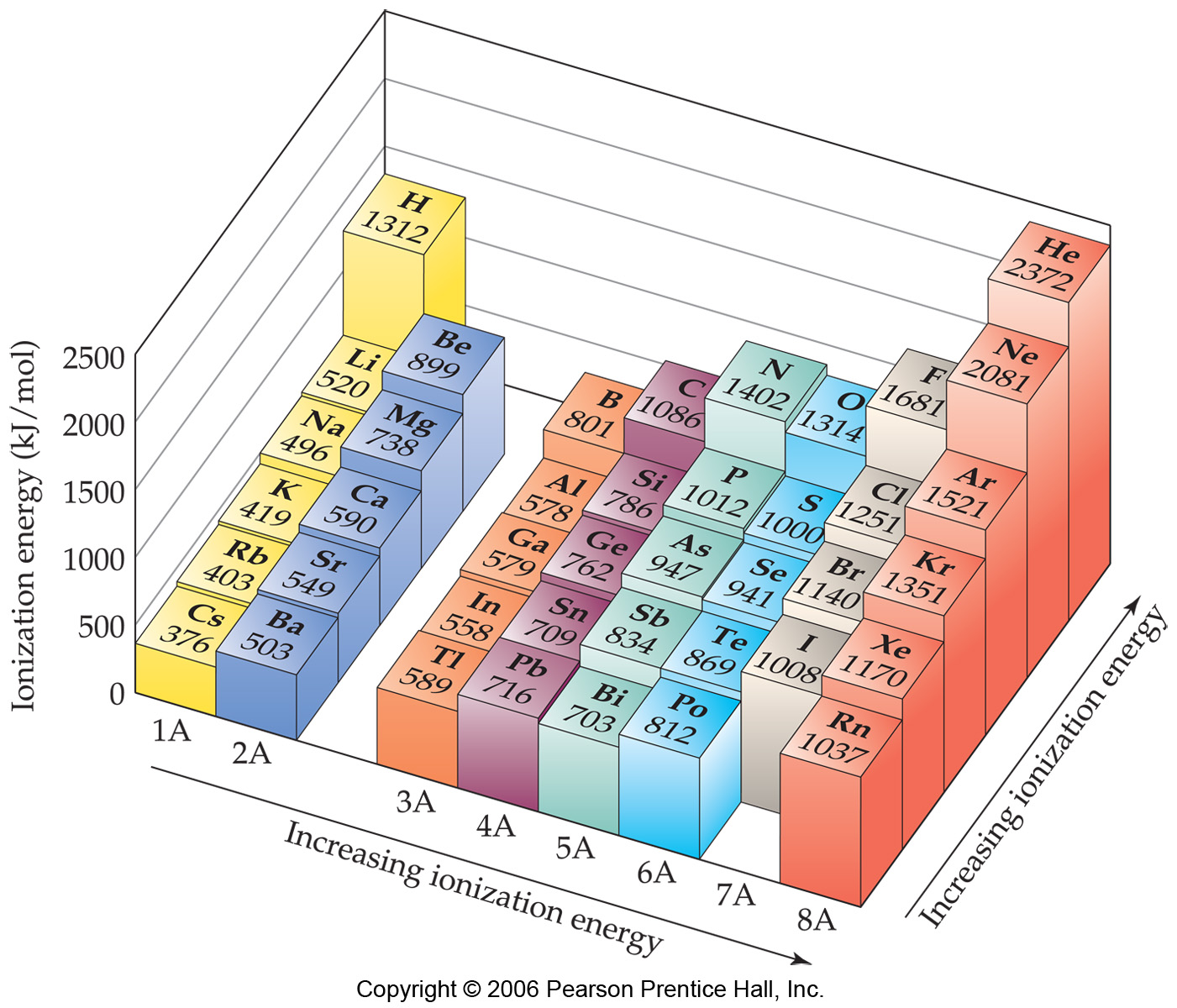
Periodic Table Ionization Energy Chart
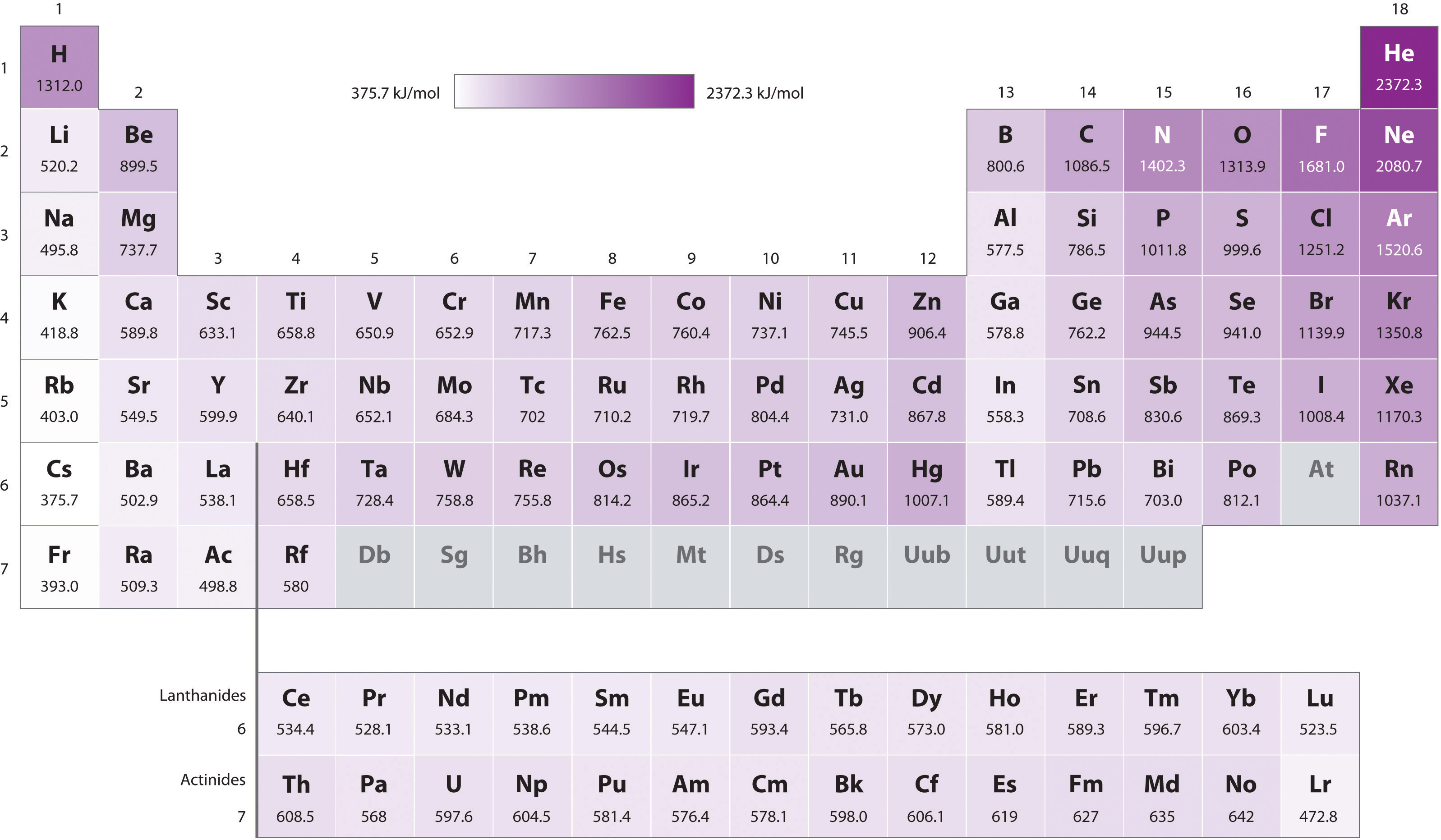
Periodic Table Ionization Energy Labeled
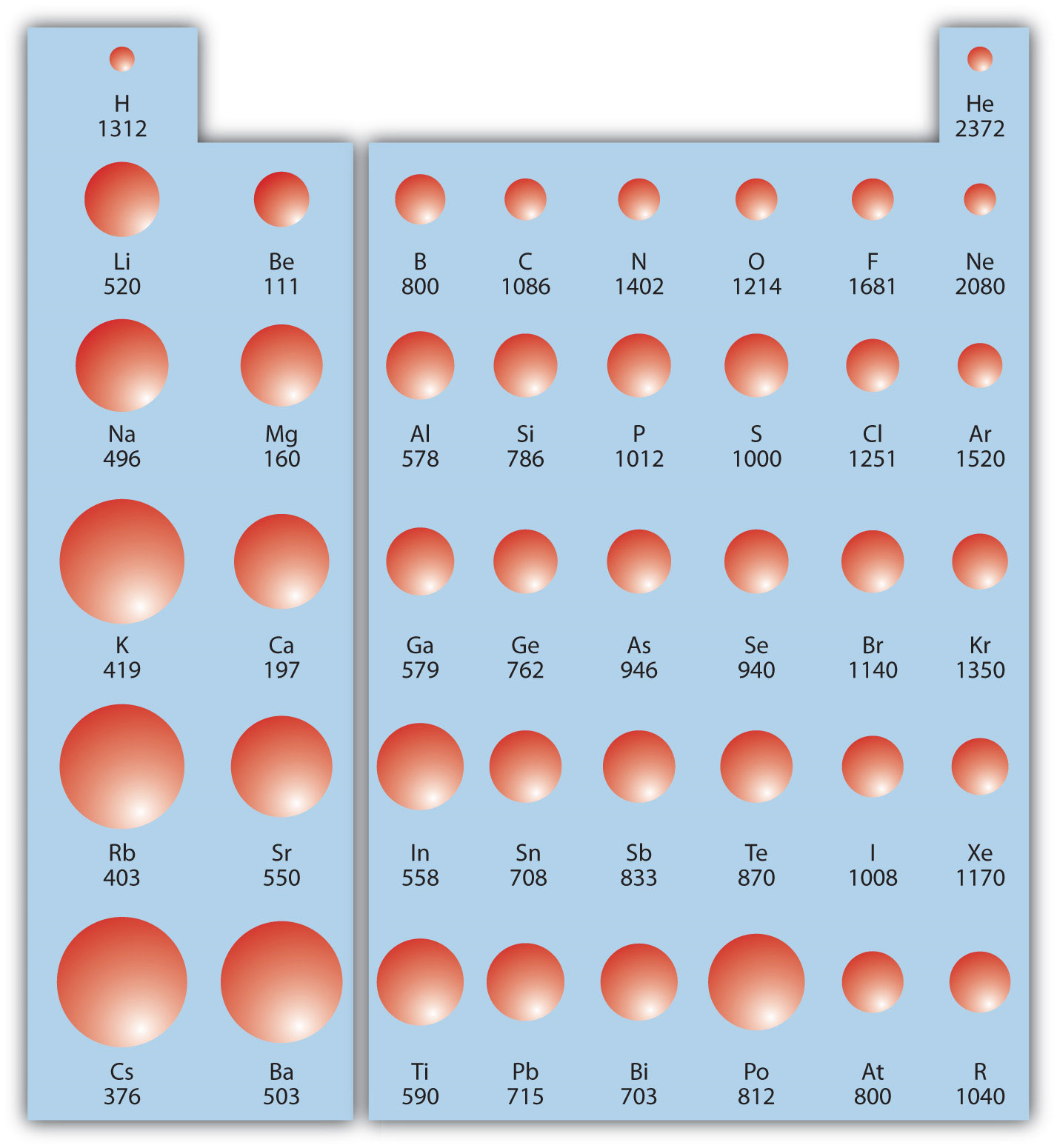
9.9 Periodic Trends Atomic Size, Ionization Energy, and Metallic
The Ionization Energy Associated With.
This Is The Energy Per Mole Necessary To Remove.
A High Value Of Ionization Energy.
On The Periodic Table, First.
Related Post:
