
Maple Sap To Syrup Ratio Chart
Maple Sap To Syrup Ratio Chart - Divide 86 by your sugar content and you'll know how many gallons of sap go into a gallon of syrup. Web the following table presents suggested prices per gallon of sap for a maple producer to purchase sap from someone else. This is an average and depends on the sugar content of the sap. Web divide 86 by the sugar content to figure out how many gallons of sap it will take to make a gallon of syrup. Generally speaking, though, 10 gallons of sap will produce a quart of maple syrup. So if your sap is 2% then you'll need about 43 gallons of sap/gallon of syrup. 86 divided by 1.2 = 71.6. Most time you will get somewhere between 60:1 and 20:1 (sap:syrup). Web the sap is clear and almost tasteless—and very low in sugar content. Web maple syrup calculator. Web all depends on the sugar content of your sap. Syrup density is a little higher now than it was when the rule was made so using 87 or 88 would be more accurate. Web this online sap value calculator calculates the value of maple sap to a seller or producer for maple syrup production. Divide 86 by your sugar content and you'll know how many gallons of sap go into a gallon of syrup. I am a 3rd generation maple producer, with 80,000 taps & 28 sugar bushes. 2 10 filter press full banks. Web generally the ratio of sap to syrup for the sugar maple is 40 to 1 (40 gallons of sap yields one gallon of syrup). You can expect an average of 1 gallon of maple syrup for every 40 gallons of sap. If we use the rule of 86, we can see that. Web here in north central pa we have been averaging 49 51 gal sap to 1 gal syrup. Boil the sap to evaporate the water, producing a liquid with the characteristic flavor and color of maple syrup and a sugar content of 60 percent. Web the sap is clear and almost tasteless—and very low in sugar content. You can expect an average of 1 gallon of maple syrup for every 40 gallons of sap. Web here in north. Other species of maple have lower concentrations of sugar in their sap. Web in general, the sap to syrup ration when boiling sap to make maple syrup is 40 to 1. 2 evaportors, 6x16 & 5x16 water/loo small turbos. However, that rule has limitations. This seems to be the ratio that we consistently get. 2 evaportors, 6x16 & 5x16 water/loo small turbos. It will take more sap towards the end of the season, to make maple syrup. Web sap to syrup chart. Boil the sap to evaporate the water, producing a liquid with the characteristic flavor and color of maple syrup and a sugar content of 60 percent. In this article we’ll outline the. 2 ros, 1 2400 gph & 1 1800 gph. 2 10 filter press full banks. Web generally the ratio of sap to syrup for the sugar maple is 40 to 1 (40 gallons of sap yields one gallon of syrup). Syrup density is a little higher now than it was when the rule was made so using 87 or 88. I am a 3rd generation maple producer, with 80,000 taps & 28 sugar bushes. 2% sugar, 86 divided by 2 is 43. Web to determine the number of gallons of sap required to make one gallon of maple syrup, divide the number 86 by the percent of sugar content (you’ll need a sap hydrometer and cup to determine sugar percentage).. Web to determine the number of gallons of sap required to make one gallon of maple syrup, divide the number 86 by the percent of sugar content (you’ll need a sap hydrometer and cup to determine sugar percentage). It also gives time estimates to double the brix of the sap before boiling using an optional ro system. Web sap flows. It's called jones' rule of 86. This means that we will need to collect 21 gallons of sap to produce one gallon of syrup. Web check out my handy maple syrup calculator that used the jone’s rule to determine how much maple syrup you will end up with based on how much sap you have and the sugar content of. 10 gallons x 16 cups per gallon = 160 cups of sap. Web check out my handy maple syrup calculator that used the jone’s rule to determine how much maple syrup you will end up with based on how much sap you have and the sugar content of your trees. It will take more sap towards the end of the. It may require 60 gallons of box elder sap to produce one gallon of syrup. 2% sugar, 86 divided by 2 is 43. Web use the jones rule of 86, divide 86 by the sugar content, to figure out how much sap per gallon of syrup. Divide 86 by your sugar content and you'll know how many gallons of sap. Web once you’ve collected sap from your maple trees, it’s time to turn your sap into syrup. So if your sap is 2% then you'll need about 43 gallons of sap/gallon of syrup. Most time you will get somewhere between 60:1 and 20:1 (sap:syrup). Generally speaking, though, 10 gallons of sap will produce a quart of maple syrup. Right now. Use the rule of 86. Web check out my handy maple syrup calculator that used the jone’s rule to determine how much maple syrup you will end up with based on how much sap you have and the sugar content of your trees. Web the volume of maple syrup from sap calculator computes the amount of maple syrup that can be produced from maple tree sap. So if your sap is 2% then you'll need about 43 gallons of sap/gallon of syrup. The variables that affect sap prices in this table are sap sugar content, bulk syrup price, and the percentage of bulk syrup price provided to. Web sap flows for roughly 4 to 6 weeks, with the earliest sap having the highest sugar content. Web in reality, it can take anywhere from 20 to 100 gallons of raw maple sap to make one gallon of pure maple syrup. Syrup density is a little higher now than it was when the rule was made so using 87 or 88 would be more accurate. Web in general, the sap to syrup ration when boiling sap to make maple syrup is 40 to 1. It may require 60 gallons of box elder sap to produce one gallon of syrup. Web generally the ratio of sap to syrup for the sugar maple is 40 to 1 (40 gallons of sap yields one gallon of syrup). Web at the arboretum, our maple sap is about 4% sugar. This means that we will need to collect 21 gallons of sap to produce one gallon of syrup. Boil the sap to evaporate the water, producing a liquid with the characteristic flavor and color of maple syrup and a sugar content of 60 percent. Web all depends on the sugar content of your sap. It's called jones' rule of 86.
Maple Sap To Syrup How To Finish With Filtering and Bottling Complete

Maple Sap To Syrup Ratio Chart A Visual Reference of Charts Chart Master

Maple Syrup To Sugar Conversion Chart

Sap To Syrup Ratio Chart

5 Trees That Produce Maple Syrup (And How To Tap Them) Tree Journey

Conboy Maple Syrup
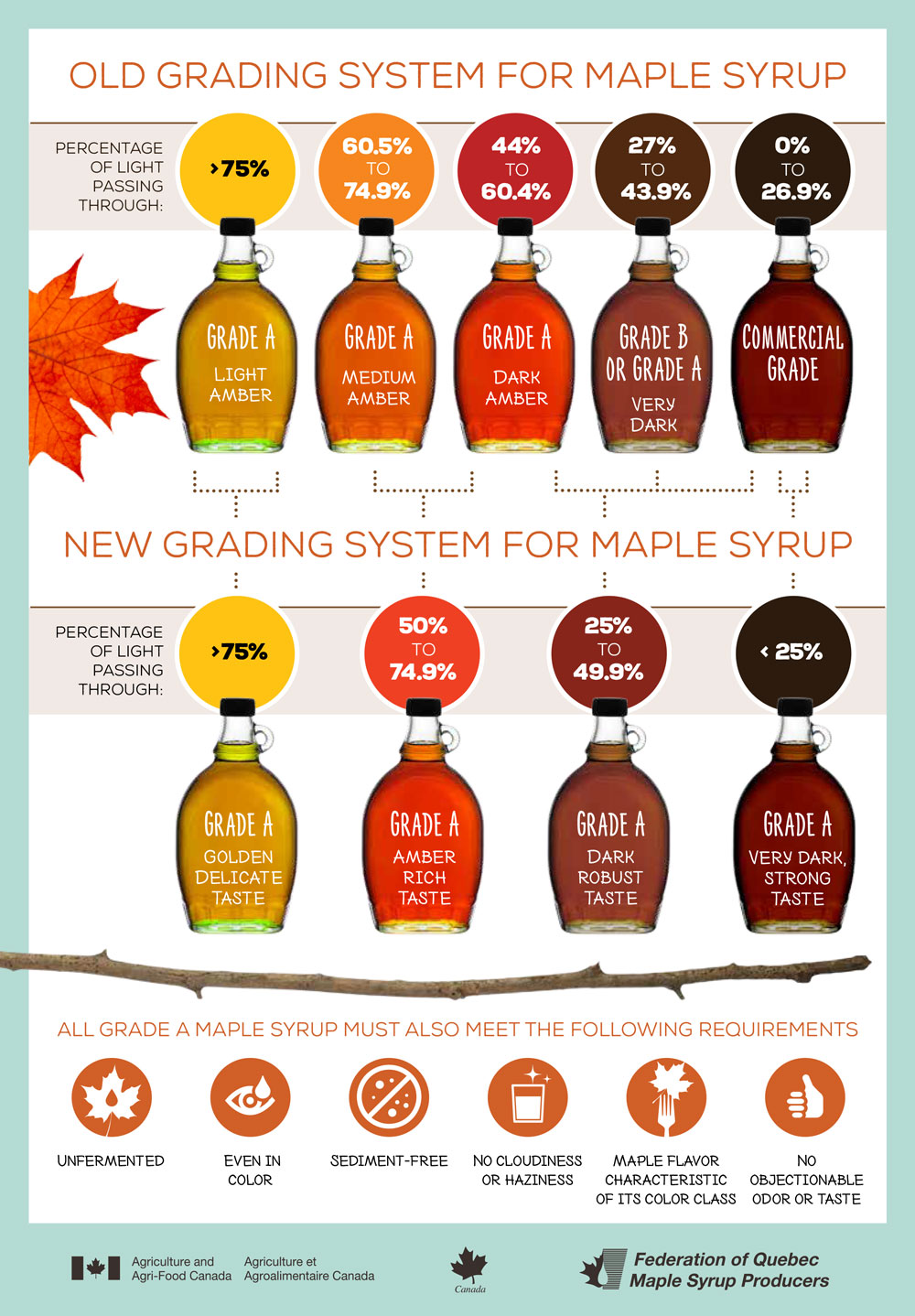
Maple Syrup Grades The Four Grades of Maple Syrup

Maple Sap To Syrup Ratio Chart

"This PDF download file contains the following, using my original
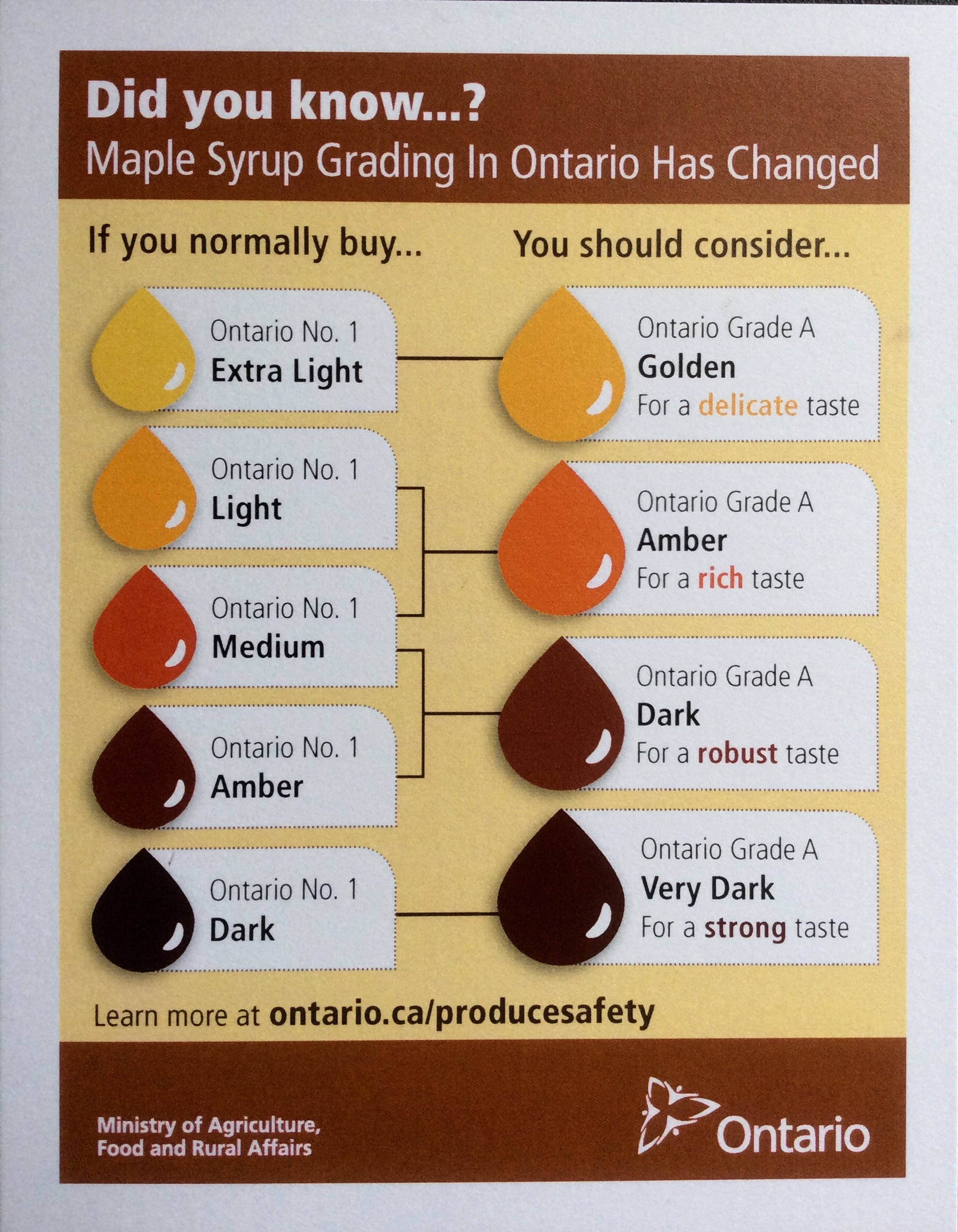
Our Syrup and Confections
Web Divide 86 By The Sugar Content To Figure Out How Many Gallons Of Sap It Will Take To Make A Gallon Of Syrup.
This Calculator Uses The Jone’s Rule Of 86 To Calculate The Resultant Amount Of Maple Syrup That You Will Achieve After Boiling Down A Given Amount Of Maple Sap.
Web Once You’ve Collected Sap From Your Maple Trees, It’s Time To Turn Your Sap Into Syrup.
Other Species Of Maple Have Lower Concentrations Of Sugar In Their Sap.
Related Post: